
5min read
When AI starts to “Feel”
Welcome to rKive. I’m Ruchir Kulkarni, a tech enthusiast exploring AI, media and human behavior. I ask: How will these advances shape our future? Will they make our lives better or change our world in ways we can’t yet imagine?
Link to my Medium Profile: https://medium.com/@ruchirkulkarni/
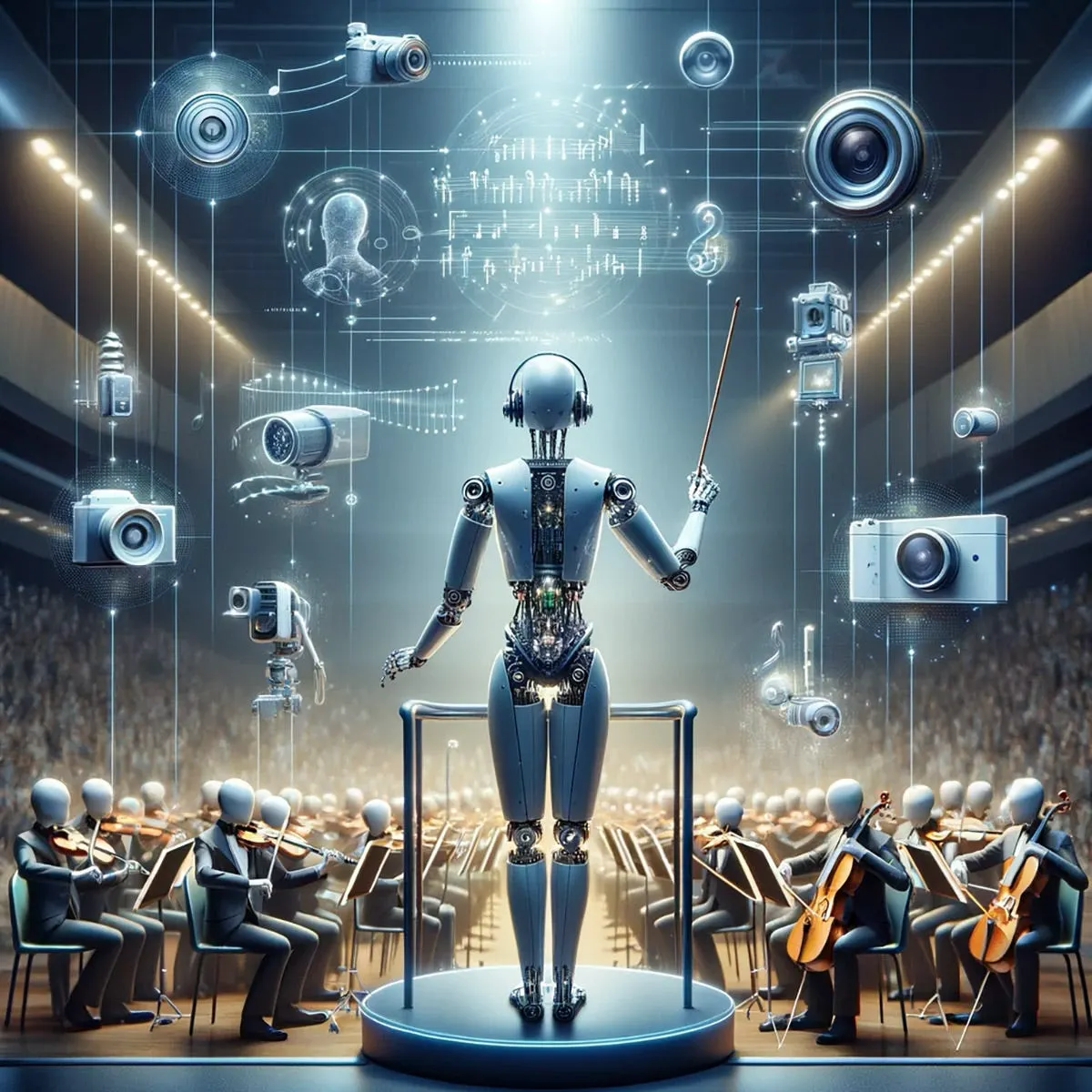
Today, I’m diving into a topic that’s both fascinating and a little unsettling: Sensory AI. It’s a concept that sounds like science fiction — machines that not only see, hear, and feel but can understand our emotions and respond in ways that make us question the very nature of human interaction with technology.
Is this just the next step in AI, or could it radically reshape our lives?
The Magic of Sensory AI: What If Machines Could Experience the World Like Us?
Imagine a world where machines aren’t just tools — they’re companions. Sensory AI promises to turn this idea into reality. Unlike traditional AI, which processes data in a linear, task-focused way, sensory AI uses inputs from sight, sound, touch, and even smell to understand the world in a way that mirrors human perception. It’s as if AI could, for the first time, “sense” the world.
Think about a robot in a hospital, not only diagnosing patients based on scans but also picking up on subtle emotional cues from patients’ faces, voices, and body language. The robot could detect anxiety or fear in a patient just by interpreting their facial expressions or even the tone of their voice — something no AI system has ever been able to do with such depth before. It could then adjust its behavior accordingly, offering comfort or reassurance based on the emotional state of the patient. Imagine how this could transform healthcare, providing a deeper level of care and understanding.
Or picture a smart home that can adjust to your needs before you even speak. Your house senses you’re coming home after a long day — it knows you’re tired and automatically dims the lights, plays soothing music, and adjusts the temperature to make you feel at ease. Sensory AI would help machines understand the nuances of our emotions, needs, and routines in ways that feel almost… human!
How Sensory AI Could Change Everyday Life: Enhancing or Replacing?
In the near future, sensory AI could change how we interact with everything around us. Cars, homes, and even robots would be able to anticipate our needs, thanks to their ability to sense and interpret our environment. For instance, if you’re feeling down, your AI-powered assistant could pick up on that through your voice or posture and recommend a comforting activity or even help you through a tough moment by providing helpful content or reminders to relax.
In retail, stores could take customer experience to the next level. Imagine stepping into a store and immediately sensing that something is off. The AI detects that you’re stressed, possibly from the loud environment, and adjusts the store’s ambiance: it softens the lighting, lowers the volume of the music, and presents you with personalized products based on your mood. It’s not just about selling products; it’s about creating an experience that resonates with you emotionally.
Now, this all sounds great on paper, but what if the line between comfort and control starts to blur? Could sensory AI be so attuned to our emotions that it starts to manipulate them? Is it possible that a machine could begin to understand us too well, pushing us toward certain choices or behaviors, or even influencing our decisions in subtle ways?
The Dark Side: Can Sensory AI Cross the Line?
As much as sensory AI holds the promise of enhancing our lives, it’s important to ask: Could it be used against us? Could a machine, capable of sensing our deepest emotions and intentions, be used for manipulation?
Take the example of a child lost in a crowd. Imagine that a sensory AI system embedded in a city’s surveillance network detects that the child is frightened and starts to track them, analyzing their movements, scanning for familiar faces, and even sending out alerts to nearby stores or individuals to help. Sounds great, right? But what if this system started to track other people as well — monitoring their emotions, behavior, and whereabouts without their consent?
There’s a fine line between helpful surveillance and invasion of privacy, and sensory AI could easily slip into the wrong hands. In a world where technology understands everything about our feelings, moods, and reactions, it’s only a small step to crossing ethical boundaries. Could companies start selling products based on our emotional data, tailoring advertisements that appeal directly to our subconscious desires? Could governments or corporations use this information to manipulate our thoughts, behaviors, or actions?
The Future of Sensory AI: A World of Possibilities!
Despite these potential dangers, the future of sensory AI offers limitless possibilities for improving our lives. It could help create smarter cities, assist in mental health care, and make our interactions with technology more natural. But the path forward must be approached with caution.
Just imagine: Sensory AI helping a person with autism better navigate social interactions by recognizing social cues and offering real-time advice. Picture self-driving cars that not only recognize traffic signals but also the stress levels of the driver, offering calming suggestions if they detect anxiety behind the wheel. What if machines could truly help us understand ourselves better, providing insights into our emotional well-being and offering solutions when we need them most?
In the right hands, sensory AI could offer a profound positive impact. But we must balance innovation with responsibility, ensuring that these tools are developed with ethical considerations in mind, respecting privacy and freedom while harnessing their potential to improve human life.
Final Thoughts
Sensory AI is a fascinating glimpse into a future where machines don’t just execute tasks — they understand us, interact with us, and, in some ways, even feel with us. But as with any powerful tool, it comes with its own set of risks. The potential for sensory AI to revolutionize healthcare, retail, transportation, and more is immense, but so too is the responsibility we carry in managing its impact.
As we move forward, it’s crucial that we ask ourselves: How do we want to interact with this technology? Will it be a tool that enhances our lives, or will it cross a line we can’t uncross?